Belize
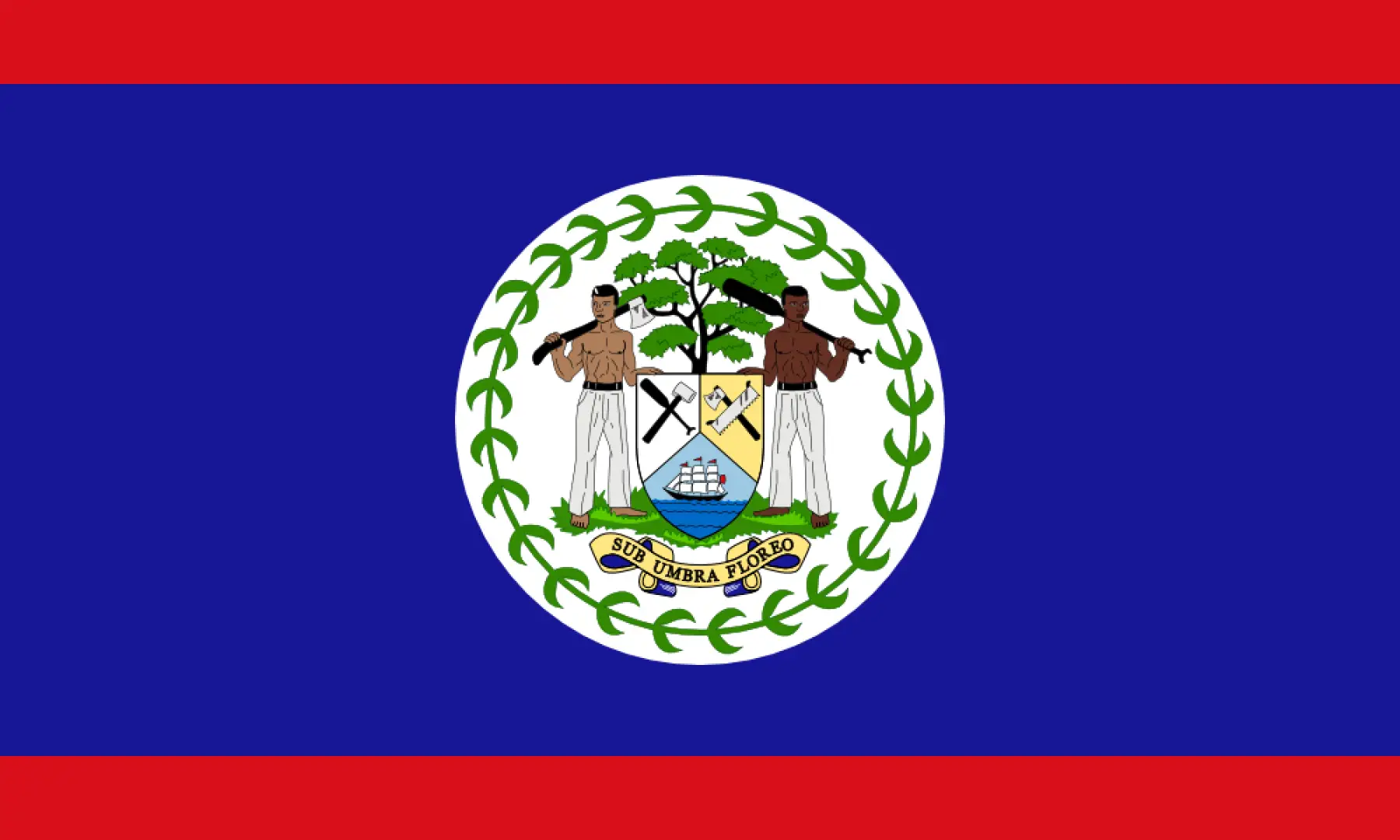

Edited by:
Massimo Martini
Access
Belize is accessible from Europe by air with a stopover in the United States, to the Philip S. W. Goldson International Airport in Belize City. Some direct routes depart from Miami, Dallas, Houston and Atlanta. From Mexico, the main land crossing is at Chetumal-Santa Elena, with bus services connecting the Yucatán Peninsula to the north coast of Belize. From Guatemala one enters via Benque Viejo del Carmen-Melchor de Mencos. The Belizean road network is limited: the main artery is the Western Highway (from Belize City towards the Guatemalan border) and the Southern Highway towards the district of Toledo. Internal transport makes extensive use of small private planes that connect Belize City with the reef islands and southern villages. Fast ferries (water taxis) connect the coast with the islands Ambergris Caye and Caye Caulker, major marine destinations. For the hinterland, all-terrain car rentals or organised tours are the most popular means of access to the nature reserves.
Introduction
Belize occupies the Caribbean coast of southern Central America, bordering Mexico to the north, Guatemala to the west and south, and the Caribbean Sea to the east. It is the least densely populated country in Central America and the only one in the entire region to have English as an official language, a legacy of British colonisation that lasted until 1981. The territory is flat in the coastal strip and rises towards the Maya Mountains in the southern hinterland, with the highest peak of Doyle's Delight at about 1,124m. Belize's coral reef, the second largest in the world, stretches more than 300 km along the coast and is home to three atoll systems. The Belize Biosphere Reserve, declared a UNESCO World Heritage Site in 1996, forms the core of the country's protected area system.
Description
The morphology of Belize is predominantly low and flat in the coastal strip and floodplains of the north, where savannahs and pine forests dominate, opening onto coastal lagoons and marshes. The centre and south of the country rise towards the Maya Mountains, the only significant mountain system in the territory, with modest peaks but covered by dense rainforest. The Cockscomb Basin Wildlife Sanctuary, in the Maya Mountains, is the world's first jaguar reserve, established in 1986. The coastline is protected by one of the richest marine ecosystems in the Western Hemisphere: the Mesoamerican Barrier Reef System, listed by UNESCO in 1996, is home to more than 1,400 species of marine plants and animals.
Belize - formerly British Honduras - was explored by the Spanish and British from the 16th-17th centuries; the British presence was consolidated with the settlements of mahogany and dye-wood cutters, who exploited the interior forest. It became a colony of the British Crown in 1862 and a protectorate in 1884. Guatemala historically made claims on Belitian territory, which delayed independence until 21 September 1981. The ethnic composition is particularly diverse: mestizos and Creoles make up the two main communities, flanked by the Garifuna - descendants of African and Amerindian Caribs - the Mennonites of Dutch-German origin settled in the northern plains, the Yucatec Maya and the Mopan and Q'eqchi' Maya. The Guatemalan quetzal is still the currency of choice in some border areas, while the Belizean dollar is pegged to the US dollar.
Belize's economy is centred on tourism - particularly ecotourism and marine tourism - agro-industry (cane sugar, oranges, bananas) and fishing. The country is known for its production of artisanal rum and traditional Creole and Garifuna cuisine, which uses coconut, fish, roots and local spices. The human development index is among the highest in Central America. The Great Blue Hole, an underwater karst cavity 300m in diameter and 125m deep in the middle of the Lighthouse Reef atoll, is one of the world's most famous dive sites, made famous by Jacques Cousteau in 1971.
Protected areas cover about 36% of Belize's territory - one of the highest percentages in the world. The Blue Hole National Park in the hinterland protects a system of caves and cenotes. The Lamanai Archaeological Reserve protects one of the oldest Maya sites, still occupied at the time of the Spanish arrival. The Caracol Archaeological Reserve, in the Maya Mountains, protects the largest Maya city in Belize. Fauna include the jaguar (Panthera onca), Baird's tapir (Tapirus bairdii), the hulled toucan (Ramphastos sulfuratus) and the Antillean manatee (Trichechus manatus), found in coastal lagoons.
Walking in Belize is concentrated in the Maya Mountains and the inland forest parks. The Mountain Pine Ridge Forest Reserve offers trails through pine forests at elevations between 300m and 1,000m, with access to waterfalls such as Hidden Valley Falls. The Cockscomb Basin Wildlife Sanctuary offers multi-day rainforest trails, with the possibility of spotting jaguar tracks. Chiquibul National Park on the Guatemalan border is only accessible with guides and requires special permits. The Five Blues Lake National Park in the centre of the country can be reached by half-day excursions. The trek to the summit of Doyle's Delight (1,124m) in the Victoria Peak Natural Monument is the country's highest ascent, which can be done in 3-4 days from Hopkins.
Mountaineering is not a developed practice in Belize, given the modest elevation of the Maya Mountains. Outdoor activities focus on forest trekking, river canoeing, caving and diving. Trail running is still in its infancy; of note are the Belize Botanic Gardens Trail Run and some local races in Belize City. However, the country offers excellent terrain for nature trekking trails in tropical forest settings.
Information
General Data
Capital: Belmopan
Area: 22,966 km²
Minimum elevation: 0m (Caribbean coast)
Maximum elevation: 1,124m - Doyle's Delight (Victoria Peak)
Number of inhabitants: 441.000 (estimated 2022)
Official name: Belize
Name of inhabitants: Belizeans
Bordering countries: Mexico - Guatemala
Institutional website: https://www.belize.gov.bz