Bulgaria
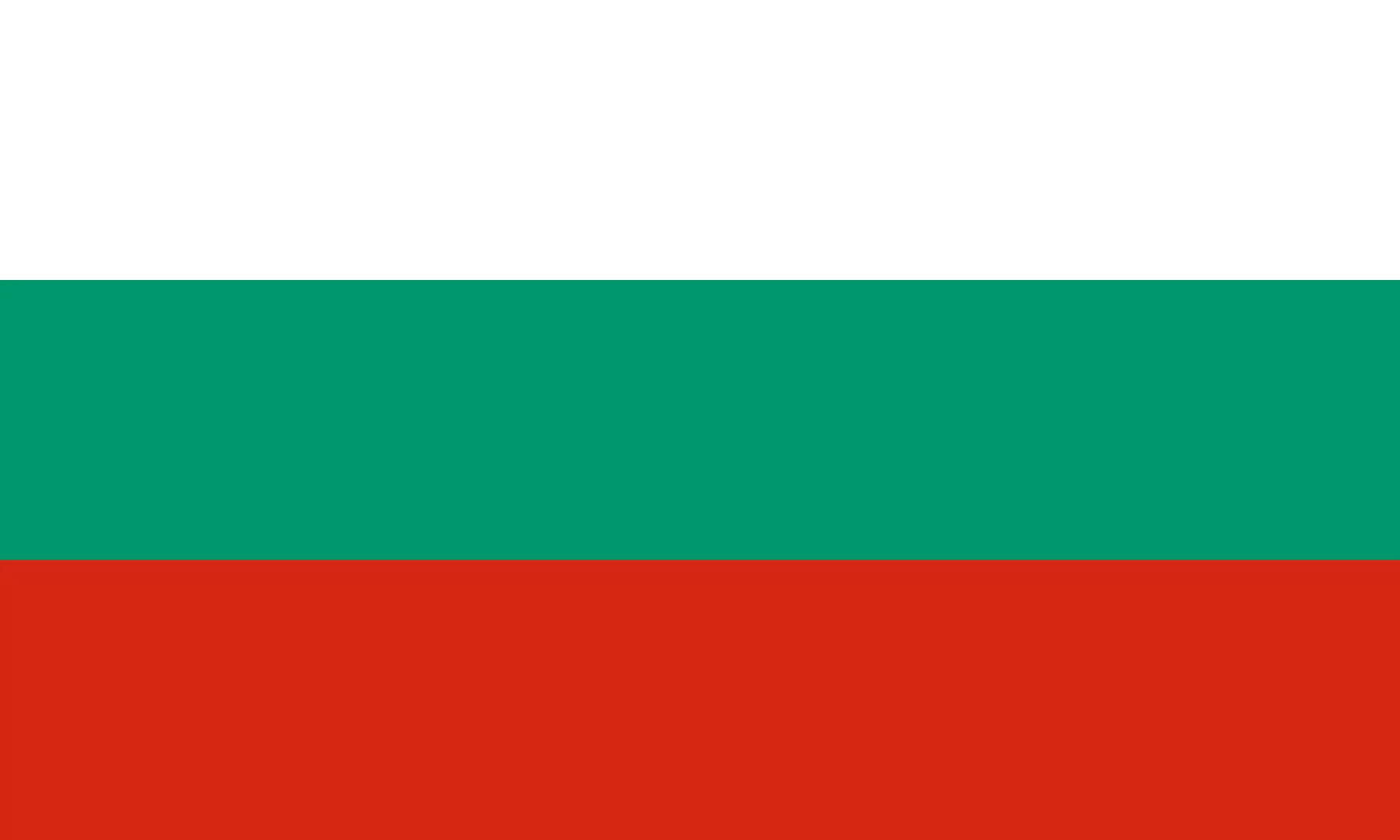

Edited by:
Massimo Martini
Access
Bulgaria can be reached from Italy mainly by air via Sofia International Airport (SOF), with direct flights from Milan, Rome and other Italian cities; secondary airports are in Plovdiv, Varna and Burgas, the latter two strategic for coastal tourism on the Black Sea. The overland connection from Italy runs via Slovenia, Austria, Hungary or Serbia, with access to Bulgaria via the Dragoman (Serbia-Bulgaria) crossing, the busiest on the [A2] to Sofia. The alternative through Romania involves crossing the bridge over the Danube at Vidin or Ruse. The Bulgarian motorway network includes the [A1] motorway (Trakia) linking Sofia to Burgas, the [A2] motorway (Hemus) linking Sofia to Varna and the [A3] motorway to the Serbian border; the system is gradually being completed. The Bulgarian State Railways (BDŽ) operate a rail network covering the main cities, with international services to Serbia, Romania and Greece. Access to the Rila and Pirin mountain massifs is via the city of Blagoevgrad and the centres of Bansko (Pirin) and Samokov (Rila), which can be reached in 1-2 hours from Sofia. Internal public transport in the mountain areas is limited; for high-altitude excursions, private transport or an organised transfer is recommended.
Introduction
Bulgaria is a state in south-eastern Europe, a member of the European Union, facing the Black Sea to the east and bordered by the northern Balkans and southern mountain ranges. The territory, with an area of 110,550 km², is divided into a vast northern plain drained by the Danube - which marks the border with Romania - a central mountain range (Stara Planina or Balkan Mountains) and a southern relief system comprising the Rila, Pirin and Rhodope massifs. The Rila is home to Mussala (2,925 m), the highest peak on the entire Balkan Peninsula. The country borders Romania to the north, Serbia and North Macedonia to the west, Greece and Turkey to the south, and the Black Sea to the east. Bulgaria has a multi-millennial history spanning Thracian civilisation, the Roman conquest, the medieval Bulgarian Empire, Ottoman rule (1396-1878) and post-communist modernity. A member of NATO since 2004 and of the European Union since 2007, Bulgaria is a candidate for Eurozone membership.
Description
Bulgarian geography is divided into three large east-west oriented parallel belts: the Danube Plain in the north, the Stara Planina (Balkan Mountains) in the centre, and the southern plains and reliefs in the south. The Danube runs about 450 km along the northern border, while the Black Sea delimits the country to the east with about 378 km of coastline, characterised by sandy beaches in the south (Sunny Beach, Albena) and cliffs and wetlands in the north. The Rila massif in south-western Bulgaria is the highest and most geologically complex: consisting of Palaeozoic granites and gneisses, it is home to more than 200 glacial lakes - including the famous Seven Lakes of Rila - and Mount Mussala (2,925 m), the highest peak in the Balkans. The Pirin massif in the south-west is the second highest with Vihren (2,914 m) and is home to 176 glacial lakes. The Rhodopes, the largest system (14,700 km²), extend towards Greece with less elevated peaks but landscapes of great variety and an important pastoral and mining tradition.
Bulgaria has been inhabited since Neolithic times (Karanovo culture, 7th millennium BC). The Thracians, an Indo-European population that dominated the region in the Iron Age and Classical Antiquity, left important remains, including the Thracian royal burial mounds at Kazanlak and Sveshtari, both of which are on the UNESCO World Heritage List. The Roman conquest between the 1st and 2nd century A.D. transformed the territory into the provinces of Mesia and Thrace. In the 7th century, Turkish-Bulgarian tribes merged with local Slavs, founding the First Bulgarian Empire (681 A.D.), one of the most powerful medieval states in Europe, with its capital in Pliska and later Preslav. The conversion to Orthodox Christianity (864 A.D.) under Khan Boris I and the creation of the Cyrillic alphabet by the monks Cyril and Methodius are founding events of the Slavic Orthodox civilisation. The Second Bulgarian Empire (1185-1393) with its capital Veliko Tarnovo was the period of cultural and political heyday. The Ottoman conquest (1393-1396) interrupted the autonomy of the Bulgarian state for five centuries, until it was liberated with Russian military support (Russo-Turkish War 1877-1878).
The Bulgarian economy, after the post-communist transition of the 1990s, has experienced sustained growth in the first decade of the 21st century. The main sectors are manufacturing (metallurgy, chemistry, energy production), agriculture (cereals, fruit, vegetables, tobacco, viticulture - the Valley of Roses produces 75 per cent of the world's rose oil production - and lavender cultivation) and tourism, with seaside, mountain and cultural destinations. Winter tourism is concentrated in the resorts of Bansko (Pirin), Borovets (Rila) and Pamporovo (Rhodope). Traditional handicrafts - ceramics, embroidery, woodwork, rose production and lavender products - are part of the regional identity. Bulgarian cuisine, with its banitsa (cheese-filled pastry), savoury šopska (vegetables with sirene, white cheese), čuška byurek and dairy production - especially kaschkaval and sirene - reflects Thracic, Slavic and Ottoman influences.
Bulgaria's UNESCO-registered cultural heritage includes nine sites: the Thracian burial mounds of Kazanlak, Ivanovo, Boyana and Sveshtari, the Rila Monastery, the town of Nessebar, the Srebarna Nature Reserve, the Madara Monuments, and the transboundary site of the Carpathian primeval beech forests. The Rila Monastery (10th century), in the heart of the Rila massif, is the most important monument of the Bulgarian Orthodox faith: founded by the monk Ivan of Rila, rebuilt in several stages, with the current version dating back to the 19th century, it houses precious fresco cycles and a collection of icons of historical significance. The Rila National Park, the largest in the country, protects alpine ecosystems with Pinus sylvestris, Picea abies, Abies alba and high-altitude grasslands;high altitudes with ibex (Capra ibex reintroduced), Balkan chamois (Rupicapra rupicapra balcanica), brown bear (Ursus arctos) and lynx (Lynx lynx). The Pirin National Park, inscribed in UNESCO in 1983, is home to the oldest tree in Bulgaria, the Baikušev Bosnian pine (Pinus heldreichii), more than 1,300 years old.
Bulgarian hiking is mainly in the Rila, Pirin, Rhodope and Stara Planina massifs. The E4 European Long Distance Path crosses Bulgaria from north-west to south-east, passing through the Rila and Pirin. The Seven Lakes of Rila, which can be reached from Panichishte station by cable car and then on foot (around 3 hours), is the most popular hiking destination in the country. The Pirin crossing - from Bansko to Melnik - is a multi-day trek along glacial peaks and lakes. The network of mountain huts (hizha) of the Bulgarian Alpine Club offers decent coverage on the main peaks. The ski resort of Bansko, at the foot of Pirin, has a network of slopes and lifts that are also used for hiking in summer.
Bulgaria's mountaineering history is mainly associated with the Rila and Pirin peaks. Mussala (2,925 m) is the highest peak in the Balkans and can be reached from the Musala hut by an approximately three-hour hike on a marked trail; the most technically demanding route climbs the north face over snow and rock. The Vihren (2,914 m) in Pirin is climbed from Bansko in around 5-6 hours and has sections on limestone rock at the end. Mountaineering on rock and ice in the Rila Gorge and some of the Pirin walls has a long tradition, with the Bulgarian Alpine Club (founded in 1895) as the historical reference institution.
Bulgarian trail running is growing rapidly, with Bulgaria hosting events of international significance. The Rila Ultra Trail and the Bansko Ultra Trail are the benchmark races in mountain areas. The Pirin National Race (around 80 km in the Pirin National Park) and the Run Rila (50 km route around the Rila massif) are established events in the national calendar. The varied terrain - alpine trails, coniferous forests, rocky sections - makes Bulgaria an attractive setting for the discipline in the summer season.
Information
General Data
Capital: Sofia
Area: 110.550 km²
Minimum elevation: 0m (Black Sea)
Maximum elevation: 2,925m - Mussala (Rila massif)
Number of inhabitants: 6,520.000 (2021 census)
Official name: Republika Bǎlgarija
Name of inhabitants: Bulgarians
Regions: 28 oblasts
Bordering countries: Greece - Macedonia of the North - Romania - Serbia - Turkey
Institutional website: https://www.government.bg