Costa Rica
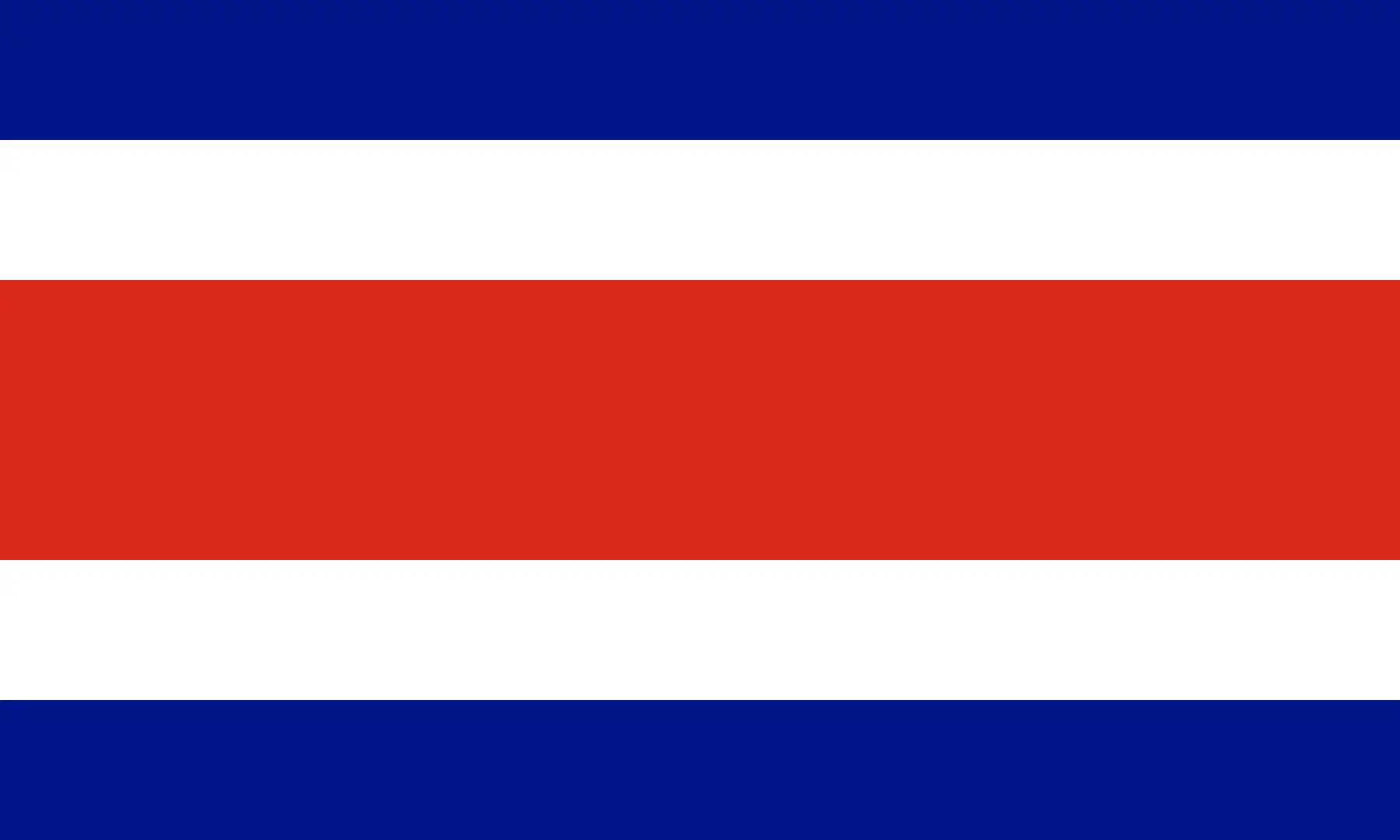

Edited by:
Massimo Martini
Access
Costa Rica can be reached from Europe by air with direct flights or with a stopover in the United States, to the Juan Santamaría International Airport in San José, in the conurbation of Alajuela about 20 km from the capital. A second international airport is located in Liberia (Daniel Oduber Quirós Airport), the main access point for the Nicoya Peninsula and the North Pacific coast. By land, the border with Nicaragua is crossed at Peñas Blancas on the Carretera Panamericana; the border with Panama at Paso Canoas for the Pacific and at Sixaola-Guabito for the Caribbean side. The road network is relatively developed, but in many national parks the roads become unpaved and require off-road vehicles. Public bus transport connects the main cities; for remote areas, taxis, shuttles or car rentals are used. There is no functioning passenger rail network. For more remote destinations such as Corcovado Park, transport is by small planes from San José or by ferries and launches from the coast.
Introduction
Costa Rica occupies the southern part of Central America, between Nicaragua in the north and Panama in the southeast, with coasts on both oceans. It is one of the most studied countries in the world for its environmental conservation policy: about 26% of the national territory is included in protected areas, including national parks, biological reserves and buffer zones. The abolition of the army in 1948, enshrined in the 1949 Constitution, has directed resources towards education, health and environmental protection, helping to build solid democratic stability and a human development index that is among the highest in Latin America. The Cordillera de Talamanca, on the border with Panama, is home to Cerro Chirripó (3,821m), the highest peak on the isthmus outside Guatemala.
Description
The Costa Rican territory is traversed by four parallel cordilleras that form the backbone of the country. The Cordillera de Guanacaste, in the north, is home to active volcanoes such as Rincón de la Vieja (1,916m) and Miravalles. The Cordillera Central includes the country's main active volcanoes: Arenal (1,670m), one of the most active volcanoes in the western hemisphere until 2010, and the volcanoes Poás (2,708m), Irazú (3,432m) and Barva (2,906m). The Cordillera de Talamanca, the largest and highest, runs along the border with Panama and reaches its highest peak at Cerro Chirripó (3,821m); altitudes above 3,000m host páramo formations - Andean alpine grasslands - with glacial morphologies inherited from the last ice age (lagoons, U-shaped valleys, terraces). The Pacific coastline consists of beaches, peninsulas (Nicoya, Osa) and gulfs; the Caribbean coastline is flatter and marshy.
Costa Rica was explored by Christopher Columbus in 1502 during his fourth voyage. The name - "rich coast" - was given by the conquistadores based on expectations of finding great riches, which turned out to be non-existent. Spanish colonisation was slow and difficult: the lack of large indigenous populations to exploit and environmental difficulties made Costa Rica one of the poorest and least important colonies in Central America. Independence in 1821 and the subsequent separation from the Central American federation in 1838 opened a period of relatively peaceful development, supported by the expansion of coffee plantations in the central highlands during the 19th century. 1948 is the founding date of modern Costa Rica: after a brief civil war, elected President José Figueres Ferrer abolished the army and guaranteed free elections and universal suffrage, building the foundations of Costa Rica's democratic system.
Costa Rica's economy is one of the most diversified in Central America. Tourism - particularly ecotourism - is the leading source of foreign currency, followed by exports of high-tech medical devices, agricultural products (bananas, pineapples, coffee, melons) and textiles. The country has attracted significant foreign investment in technology and pharmaceuticals. The traditional cuisine is simple: gallo pinto is the ubiquitous rice and beans dish, accompanied by meat, fried plantain, eggs and natilla (sour cream).
Costa Rica is home to a system of national parks and reserves that protect the country's extraordinary biodiversity: 5% of the world's terrestrial biodiversity in a territory of just over 51,000 km². The Parque Nacional Chirripó (43,700 hectares), founded in 1975, protects the highest peak of the Isthmus and the last páramo formations of Central America outside the Andes. The Corcovado National Park (42,560 hectares), on the Osa Peninsula, is considered by National Geographic to be the most biologically intense place on Earth in terms of biodiversity, with more than 140 species of mammals, 367 species of birds and five species of felines. The La Amistad International Park, shared with Panama and inscribed in UNESCO in 1983, protects the Cordillera de Talamanca with over 400,000 hectares of tropical forests and páramos. The Arenal Volcano and Arenal Lake are part of the Volcán Arenal National Park. The Parque Nacional Tortuguero on the Caribbean coast protects the nesting sites of the green turtle (Chelonia mydas), the largest colony of this species in the world. Fauna include the Baird's tapir (Tapirus bairdii), the jaguar (Panthera onca), the shining quetzal (Pharomachrus mocinno), the pale-throated sloth (Bradypus variegatus) and the poison dart frog (Dendrobates pumilio).
Costa Rica offers some of the most accessible high altitude trekking experiences in Central America. The ascent to Cerro Chirripó is the country's most challenging and famous trek: the 19 km route from San Gerardo de Rivas, with an altitude difference of around 2,400 m, takes two days with an overnight stay at the Crestones refuge at 3,400 m, owned by the National Park. On a clear day, the summit offers a simultaneous view of the Pacific and the Caribbean. The number of visitors is limited with an online reservation system managed by SINAC (Sistema Nacional de Áreas de Conservación). Corcovado Park offers multi-day trails between the stations of Sirena, San Pedrillo and La Leona, accessible only with an accredited guide. The Poás and Irazú volcanoes can be reached by car from the capital; the Rincón de la Vieja offers trails between fumarolic fields and boiling mud pools. The Sendero Los Quetzales, in the Los Quetzales National Park at the foot of the Chirripó, crosses oak forests at 3,000m and is one of the best habitats for quetzal spotting.
Technical mountaineering is limited by the nature of the relief, all of which are volcanic or hilly with no structured rock walls. Ascending Chirripó is the most common high mountain practice; the most technical routes are found on the ridges of Macizo de la Muerte and the peaks adjacent to Chirripó, such as Ventisqueros (3,813m) and Terbi (3,760m). Trail running is well developed in Costa Rica and has events of international significance. The Costa Rica Trail, around the volcanoes of the Cordillera Central, offers distances from 21 to 110 km. The Chirripó International Mountain Race, a mountain running race to the country's highest peak from San Gerardo de Rivas, is one of the most eagerly awaited events in the region, with around 21 km and 2,500 m of positive altitude gain. The Ultramaratón de los Volcanes runs through volcano national parks in the Cordillera Central. The Ultra del Caribe on the Atlantic side offers long-distance trails in the forest.
.Information
General Data
Capital: San José
Area: 51.100 km²
Minimum elevation: 0m (Pacific and Caribbean Sea coasts)
Maximum elevation: 3,821m - Cerro Chirripó
Number of inhabitants: 5,151.000 (estimates 2022)
Official name: República de Costa Rica
Name of inhabitants: Costa Ricans (or ticos, in local slang)
Border countries: Nicaragua - Panama
Institutional website: https://www.presidencia.go.cr