Cyprus
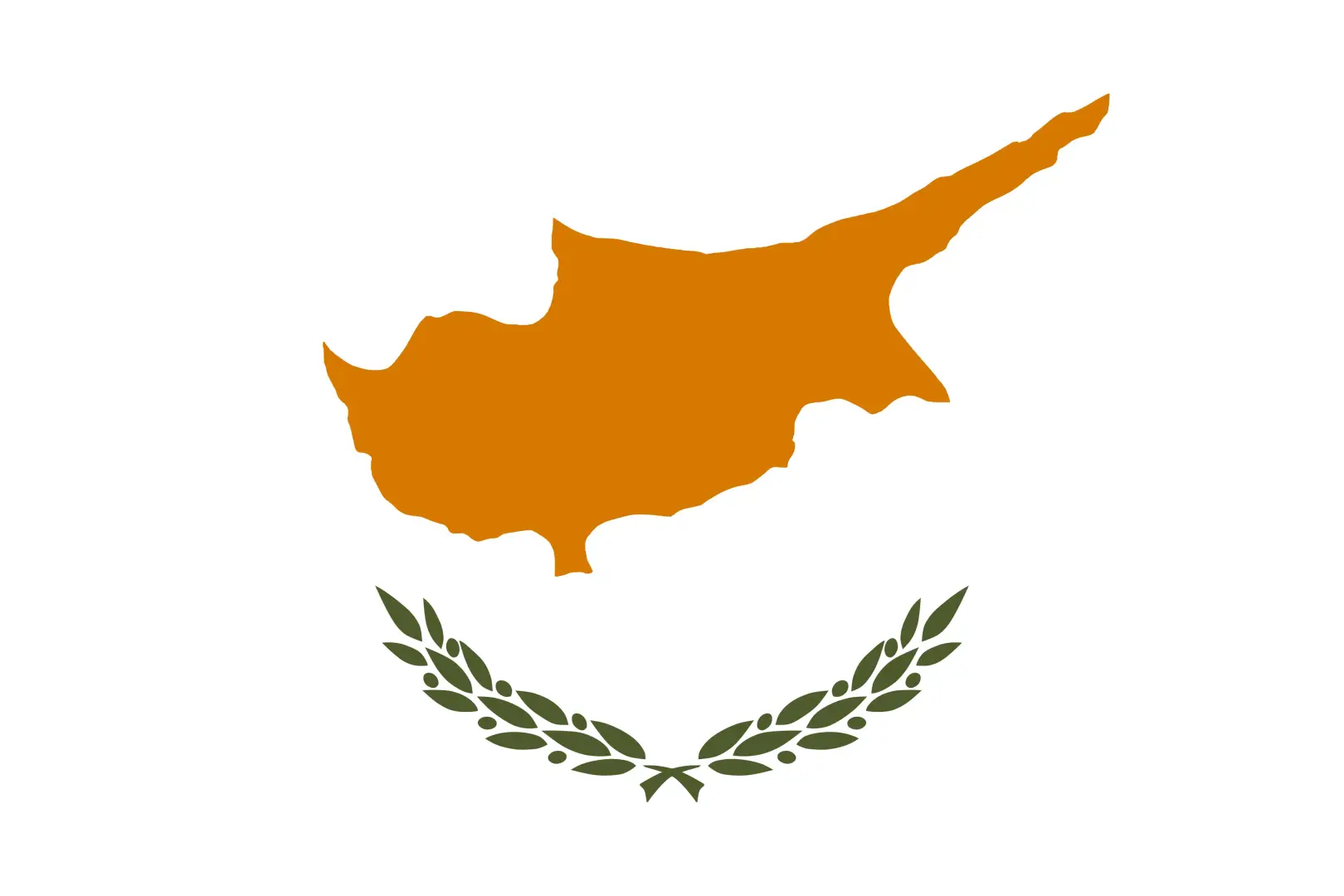

Edited by:
Massimo Martini
Access
Cyprus can only be reached from Italy by air or sea, due to its insular nature. The main airport is Larnaca International Airport (LCA), with direct flights from Milan, Rome, Venice and other Italian cities; Pafo International Airport (PFO), on the west coast, serves mainly European destinations and tourist charters. There are no rail connections on the island. The road infrastructure of the Republic of Cyprus is well developed in the south: the motorway system connects Nicosia with Limassol (A1), Larnaca (A3) and Pafo (A6). Driving is on the left side of the carriageway (a legacy of the British administration). The northern part of the island - the so-called Turkish Republic of Northern Cyprus, which is not internationally recognised - is accessible from the south via the Green Line crossings, the busiest being Ledra Street in Nicosia. Access to the Troodos Mountains from Larnaca Airport takes about an hour's drive. The main ferry ports are Limassol and Larnaca.
.Introduction
Cyprus is an island state in the eastern Mediterranean, the third largest island in the Mediterranean after Sicily and Sardinia, and a member of the European Union since 2004. The island is located about 70 km from the southern coast of Turkey and about 100 km from Syria. The 9,251 km² territory is criss-crossed by two mountain ranges: to the north the Kyrenia Mountains (Pentadaktilos), to the south the Troodos Massif with Mount Olympus (1,952 m), the highest peak on the island and one of the southernmost Mediterranean reliefs in Europe. The central plain of Mesaria separates the two ranges. Cyprus is de facto divided into two parts by the Green Line: the Republic of Cyprus, which exercises sovereignty over 59% of the island, and the Turkish Republic of Northern Cyprus - not recognised by the international community - which occupies 37% of the territory following the Turkish military intervention in 1974. The capital Nicosia is the last divided capital of Europe. The island's history is among the oldest in the Mediterranean: prehistoric Cypriot civilisation dates back to the Neolithic period (8th millennium BC) and the name for copper in Latin - cuprum - derives from Cyprus, where the metal was mined and worked for millennia.
Description
The Cypriot territory is characterised by the contrast between the volcanic-ophiolitic Troodos massif - of eruptive rocks that include basalts, gabbros and peridotites, unique in the world for its geological completeness - and the Kyrenia limestone chain to the north. The fertile and agricultural Mesaria plain occupies the central sector. The rivers are torrential and often dry in summer; the Yalias and Pedieos are the main permanent watercourses. The climate is Mediterranean-subtropical, with hot, dry summers and mild winters with concentrated rainfall; snow falls regularly between December and March in the Troodos.
Cypriot history is extraordinarily dense. The UNESCO-listed Neolithic site of Choirokoitia (6th-4th millennium BC) documents one of the oldest human settlements in Europe. The mining and processing of copper in the Bronze Age made Cyprus a leading Mediterranean trading centre. Phoenicians, Mycenaean Greeks and Assyrians succeeded each other on the island before the Persian (5th century BC) and then Macedonian (333 BC) conquests. Under Rome, Cyprus became the first province where Christianity was officially professed: the Apostle Paul and Barnabas visited in 45-46 AD. Byzantine rule lasted until the Crusades: King Richard I of England conquered the island in 1191, then ceded it to the Lusignanos, who ruled it until 1489 when it passed to the Venetians. The Ottoman Empire conquered Cyprus in 1571, after a long siege of Famagusta; Ottoman rule lasted until 1878, when the island was ceded to Britain. Independence was proclaimed in 1960. The 1974 coup d'état, supported by the Greek military junta, led to the Turkish invasion and division of the island, which still exists today.
The Cypriot economy is mainly based on tourism (around 60% of GDP in the Greek Cypriot part), the financial sector and maritime activities. Agriculture produces olives, citrus fruits, vines and vegetables; viticulture has a thousand-year-old tradition - Commandaria is the oldest wine in the world with a designation still produced, with almost six thousand years of history. The agri-food industry produces halloumi cheese (hellim in Turkish), a traditional Cypriot product with a protected geographical indication. The cuisine mixes Greek, Ottoman and Middle Eastern traditions: meze (a composite appetiser with dozens of small courses), souvlaki, kleftiko (slow-cooked lamb), moussaka and loukoumades (honey fritters).
The Cypriot UNESCO heritage includes three sites: the Neolithic village of Choirokoitia, the painted churches of the Troodos Mountains (ten buildings with Byzantine frescoes from the 11th to the 16th century) and the city of Pafo (with the archaeological park and the Tombs of the Kings). The Troodos Mountains were recognised in 2015 as a UNESCO Global Geopark for their geological uniqueness - the ophiolite massif is the most studied in the world and has contributed greatly to the understanding of plate tectonics. The island's fauna includes the Cyprus mouflon (Ovis orientalis ophion), an endemic subspecies, and numerous species of migratory birds that stop over on the island during trans-Mediterranean migrations.
Hiking in the Troodos Mountains is the main outdoor activity on the island. The Atalante Trail (12 km around the main peaks of Troodos), the route to Mount Olympus (about 2 hours from the ski resort) and the thematic trails of the Geopark are the main marked routes. In winter, the Mount Olympus ski resort offers some ski slopes from December to March, with lifts operating in the snowy season. The forests of pine (Pinus brutia), Cyprus cedar (Cedrus brevifolia, an endemic species) and oak provide a pleasant hiking environment in the warm season.
Mountaineering is not a well-established tradition in Cyprus due to the modest altitude of the peaks (maximum 1,952 m) and the absence of glaciers or technical walls of note. However, Mount Olympus is also accessible in winter with appropriate snow equipment. The Via Ferrata in the canyon of Avakas (Pafo) and some climbing crags in the southern part of the island are the only facilities for vertical practice.
Trail running in Cyprus is on the rise, with the Troodos Mountain Trail and a few local races such as the Cyprus Sunrise Trail as benchmark events. The Troodos terrain offers varied terrain between pine forests, ridges and valley floors, with moderate but pleasant gradients for off-road running in the spring and autumn seasons. Very high summer temperatures limit the practice in July and August.
Information
General Data
Capital city: Nicosia
Area: 9,251 km² (whole island)
Minimum elevation: 0m (Mediterranean coast)
Maximum elevation: 1.952m - Mount Olympus (Troodos)
Number of inhabitants: 1,172.458 (2022 figure, whole island)
Official name: Kypriakí Dimokratía / Kıbrıs Cumhuriyeti
Name of inhabitants: Cypriots
Districts: Famagusta - Kyrenia - Larnaca - Limassol - Nicosia - Pafo
Border countries: none (island state)
Institutional site: https://www.cyprus.gov.cy