Denmark
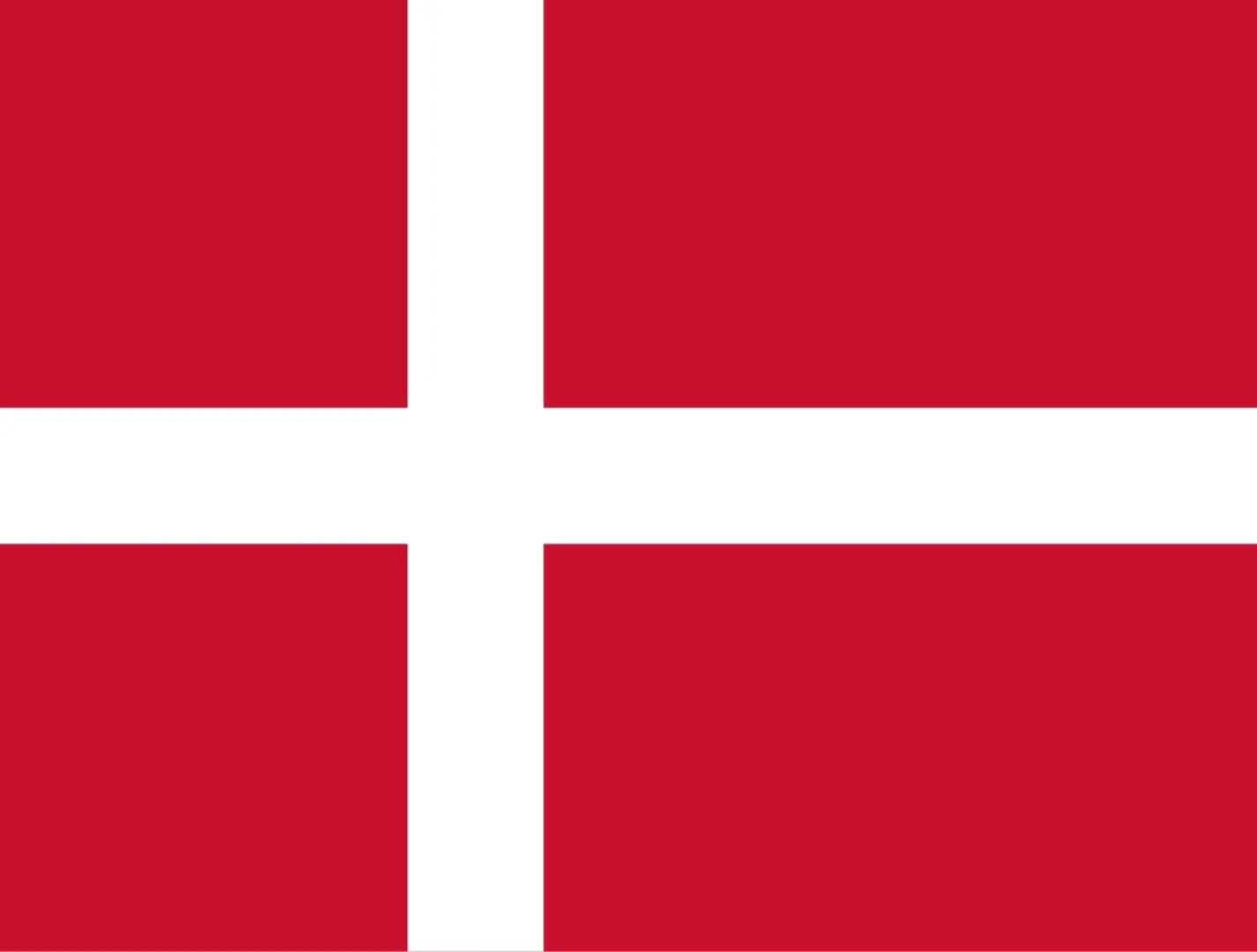

Edited by:
Massimo Martini
Access
Denmark can be reached from Italy mainly by air: Copenhagen-Kastrup International Airport (CPH) is the country's main airport and one of the busiest in Northern Europe, with direct flights from Milan, Rome and other Italian cities. Secondary airports are located in Aarhus, Billund and Aalborg. The land connection from Italy runs through Germany: along the motorway to Munich, then the to Hamburg and finally the German to the Danish border at Flensburg, where the Danish motorway network continues on the [E45] motorway to Vejle and Copenhagen. The Øresund Bridge (opened in 2000) connects Malmö in Sweden with Copenhagen with a 16-kilometre crossing between motorway and railway, and can be tolled. The Great Belt bridge connects the islands of Funen (Fyn) and Selandia (Sjælland). The Danish railway network, operated by DSB (Danske Statsbaner), is efficient and extensive; Intercity trains connect the main cities. Ferries serve the smaller islands and the Faroe Islands and Greenland. Denmark has no significant relief and access infrastructure is not seasonally critical; strong winds from the Atlantic and North Sea can slow down ferries in adverse weather conditions.
.Introduction
Denmark is a monarchical state in northern Europe, the southernmost of the Scandinavian countries and a member of the European Union since 1973. Its territory is divided into three main components: the Jutland peninsula (Jylland), which stretches northwards, bordering Germany to the south, and two main islands - Selandia (Sjælland) and Funen (Fyn) - plus some 500 smaller islands, including Bornholm in the Baltic Sea. The country faces the North Sea to the west and the Baltic Sea to the east. The topography is almost completely flat: the highest peak, Møllehøj in Jutland, only reaches 170.86 m above sea level, making Denmark the lowest country in Europe. The Danish Kingdom (Danmarks Rige) includes, with wide autonomy, the Faroe Islands in the North Atlantic and Greenland, the largest territory of a state in the world. The capital Copenhagen (København) is located on the island of Sealand and is the main economic, cultural and political centre. Denmark is known for an advanced welfare model, a high standard of living and an economy geared towards innovation and sustainability.
.Description
Danish territory covers 43,098 km² (the Jutland peninsula and metropolitan islands alone, excluding the Faroe Islands and Greenland) and has a landscape shaped by the last ice age: moraine hills in the eastern part of Jutland and the island of Møn, alluvial and sandy plains in the west, coastal dunes along the North Sea, lagoons and wetlands along the east coast. The lakes, which are numerous and of small to medium size, are mostly of glacial origin; the largest is Arresø (40 km²) on the island of Selandia. The main rivers - Gudenå (158 km) and Skjern Å - have modest flows. The climate is temperate oceanic, with mild, cloudy winters, cool summers and rainfall evenly distributed throughout the year.
Denmark is among the European countries with the longest documented continuity of human settlement: the earliest traces date back to the Mesolithic period (Maglemose culture, around 9,000 BC). The Kjøkkenmøddinger - piles of Neolithic food residues - represent the most characteristic evidence of coastal hunter-gatherer communities. The Viking tradition (8th-11th century) is the best known period of Danish history on an international level: from the Jutland peninsula, the Danish Vikings colonised England, Normandy and Iceland, with Kings Svend Forkbeard and Canute the Great ruling a Nordic empire in the 11th century. The Danish Middle Ages saw the emergence of a stable monarchy and the building of Romanesque and Gothic churches. The 15th-16th centuries were the apogee of Nordic power, with the Kalmar Union uniting Denmark, Norway and Sweden under the Danish crown. The Protestant Reformation (1536) introduced Lutheranism as the state religion, which is still dominant today. The modern age brought first colonial expansion (Caribbean islands, Gold Coast bands), then the gradual loss of territories until the Treaty of Kiel (1814), by which Norway was ceded to Sweden. Denmark established a constitutional monarchical system in 1849. During the Second World War it was occupied by Nazi Germany (1940-1945) and distinguished itself as the only European country to almost entirely preserve its Jewish community by relocating it clandestinely to Sweden.
The Danish economy is among the most advanced in Europe, with a GDP per capita among the highest in the Union. The leading sectors are pharmaceuticals (Novo Nordisk is the largest Danish company by capitalisation), quality manufacturing (design, shipbuilding, wind turbines - Denmark is a world leader in wind power), IT technologies and agribusiness. Agriculture, while employing less than three per cent of the workforce, is highly mechanised and produces significantly more pork and dairy products than domestic needs. The port of Aarhus is the largest in Scandinavia in terms of cargo volumes. Danish gastronomy has undergone an international revival in recent decades: Nordic cuisine - with local products such as herring, salmon, rye bread (rugbrød), cheese, fermented butter and dairy products - has been revalued, thanks in part to the influence of Copenhagen's Noma restaurant, repeatedly voted the best restaurant in the world.
The UNESCO-registered cultural heritage includes four sites: the Neolithic burial centre in Jelling with its runic stones and church, Kronborg Castle in Helsingør (immortalised by Shakespeare as the setting for Hamlet), Roskilde Cathedral - Scandinavia's first brick Gothic building and mausoleum of the royal family - and the Ilulissat Fjord in Greenland (natural heritage). Denmark does not have any traditional national parks in the Alpine sense of the term, but it does have five national parks: Thy (the largest, on the west coast of Jutland), Mols Bjerge (in eastern Jutland), Wadden Sea (shared with Germany and the Netherlands, UNESCO-listed), Kongernes Nordsjælland (in northern Sealand) and Skjoldungernes Land (in central Sealand). The Mols Bjerge National Park, with its moraine hills reaching 137 m, is the most technical area for Danish hiking, hosting half of the country's wild plant species. The Rold Skov forest in northern Jutland is the largest forest in the country at around 80 km², famous for the irregular beech trees in the Rebild National Park.
Hiking in Denmark takes place mainly among heaths, deciduous forests, sandy coasts and glacial hills. The Mols Bjerge Trail (80 km, four 20 km stages) is the best known long-distance trail in the national park of the same name, certified as a Leading Quality Trail - Best of Europe by the European Ramblers Association. The Hærvejen - the Army Route - is a 470-kilometre-long historic route that crosses Jutland from north to south along ancient medieval tracks, which can be walked and cycled. The Coastal Path (Kystvejen) along the west coast of Jutland offers hiking between dunes and Atlantic beaches. The Wadden Sea National Park offers guided tours on the mud flats as the tide recedes. Denmark has no mountains or conditions for downhill skiing in the metropolitan area; instead, the Faeroe Islands offer alpine hiking on ocean cliffs.
Mountaineering in the narrow sense is not practicable in the metropolitan Danish territory due to the absence of significant relief. The Faeroe Islands offer climbing on basalt cliffs with difficult weather conditions. The Danish mountaineering tradition is mainly developed abroad, with expeditions to Greenland - where there are some of the highest and most remote granite walls in the world, such as those in the Uummannaq region - that have produced world-class first ascents.
Trail running in Denmark is mainly on forest and moorland terrain, with moderate altitude differences. The Mols Bjerge Trail: the Mountain Stage (20 km, 553 m D+) is the flagship race of Danish trail running; the Hærvejen Ultra (approx. 100 km) and the Søhøjlandet Ultra (in the Lakes Plateau) complete the national calendar. The constant presence of soft gravel, forests and coastal paths makes Denmark ideal for running on natural terrain throughout the year.
.Information
Capital city: Copenhagen
Area: 43.098 km² (metropolitan territory)
Minimum elevation: -3.5m (coastal bogs)
Maximum elevation: 170.86m - Møllehøj (Jutland)
Number of inhabitants: 6,001,008 (as of 01.05.2025)
Official name: Kongeriget Danmark
Name of inhabitants: Danish
Regions: 5
Border countries: Germany
Institutional website: https://www.stm.dk