Finland
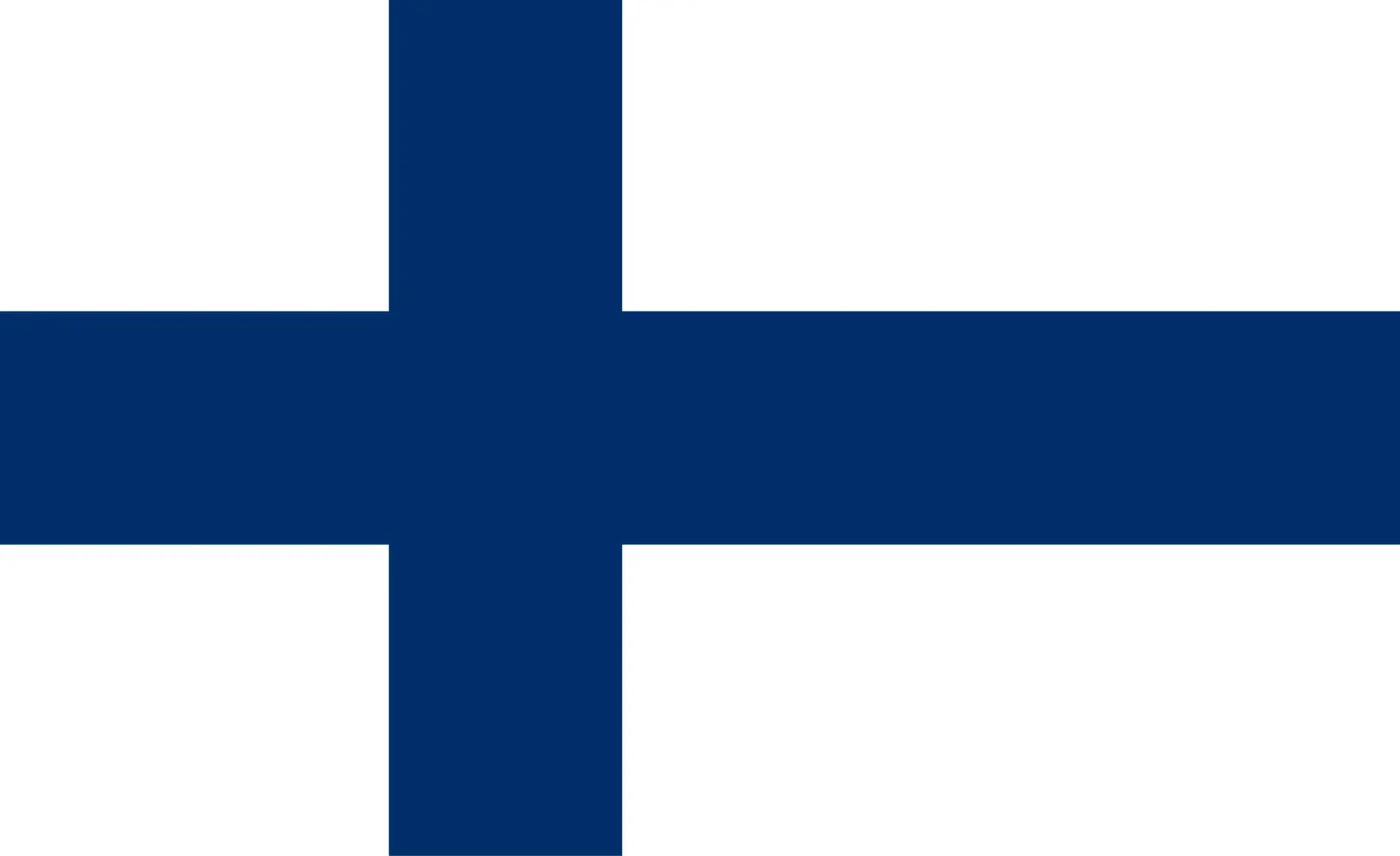

Edited by:
Massimo Martini
Access
Finland can be reached from Italy mainly by air: Helsinki-Vantaa International Airport (HEL) is the country's main airport, with direct flights from Rome, Milan and other Italian cities operated by Finnair and European airlines; secondary airports are Oulu, Tampere, Turku and Rovaniemi. The Tallinn-Helsinki (2-3 hours) and Stockholm-Helsinki (14-16 hours) ferries connect Finland to Estonia and Sweden. The overland route from Italy passes through Germany, Denmark, Sweden (via the Øresund bridge) and then Finland via the Swedish-Finnish border crossing of Tornio-Haparanda. The Finnish motorway network is concentrated in the south; in the interior and in the north the roads are state roads, often one lane in each direction but well maintained. The Finnish Railways (VR) operate a network covering the main cities; night trains run to Rovaniemi and Oulu from the capital. In Lapland, access to remote national parks requires private transport or local transport; forest tracks (metsätiet) are often passable in summer with two-wheel-drive vehicles but can be difficult in thawing weather. In winter, road conditions require mandatory winter tyres; temperatures below -30°C in Lapland are possible.
Introduction
Finland is a northern European state, a member of the European Union since 1995 and of NATO since 2023, bordered by Sweden to the west, Norway to the north and Russia to the east. With an area of 338,145 km², it is the sixth largest country in Europe. The morphology is flat or slightly undulating, shaped by the Quaternary glaciations: about 10 per cent of the surface is occupied by lakes - more than 188,000 stretches of water larger than 500 m² - which form the largest lake system in Europe. Taiga forests cover about 75 per cent of the territory. More than half of the population of 5.5 million is concentrated in the southern coastal sector; the average density of 16 inhabitants/km² is the lowest in the European Union. The Finnish language belongs to the Finnic family and is not related to the Indo-European languages spoken in neighbouring countries. Finnish Lapland, north of the Arctic Circle, is the largest and least populated region in the country, home to the Sami - the indigenous people of the High North - and the largest national parks. The country's highest elevations are found in the north-western sector, where Halti (1,324 m) marks the highest point on the border with Norway.
Description
The Finnish territory is the result of glacial erosion and subsequent post-glacial isostatic rebound: the earth's crust is still rising by about 8 mm per year, leading to the gradual emergence of new coastal territories. The landscape of the interior is a mosaic of lakes, rivers, forests and peat bogs. Significant relief is concentrated in the north-western sector (Lapland Fells), where peaks rarely exceed 1,000 m. Lake Saimaa (4,400 km²) is the fourth largest lake in Europe in terms of surface area; Lake Päijänne (1,081 km²) is connected to the capital by Finland's longest river water route. Biodiversity varies greatly from south to north: the southern mixed deciduous forests gradually give way to conifers (pine and fir taiga) and then to the tundra of Lapland, beyond the tree line.
The history of modern Finland begins in 1249 with its incorporation into the Swedish kingdom. For seven centuries, Finland was part of the Scandinavian Empire, with Swedish as the dominant language of the elites. The Grand Duchy of Finland in the Russian Empire (1809-1917) brought a degree of autonomy and fostered the revival of Finnish national identity, with the publication of the Kalevala (1835-1849) - an epic poem compiled by Elias Lönnrot from Finno-Ugric folk songs - as the founding event. Independence was proclaimed on 6 December 1917. 1939-1940 saw the Winter War against the Soviet Union: although Finland ceded 10% of its territory, it remained the only country bordering the USSR that was not annexed or occupied. The policy of neutrality ("Finlandisation") during the Cold War allowed Finland to develop economically while maintaining balanced diplomatic relations with the USSR. With the Russian invasion of Ukraine in 2022, Finland abandoned traditional neutrality and joined NATO in 2023.
The Finnish economy is among the most advanced in Northern Europe, with specialisations in engineering, design, chemistry, forestry and technology. Nokia, which dominated the global mobile phone market in the 2000s, is the symbol of Finnish industrial capacity; today the IT sector has diversified into hundreds of start-ups. The forest industry - paper, pulp, timber - remains strategic, with Finland as one of the world's leading exporters of forest products. Finnish design (Marimekko, Iittala, Artek) has an international reputation. Traditional gastronomy includes salmon, herring, game (elk, reindeer), rye bread, cheese and wild berries; the sauna - a fundamental cultural institution - is present in about 3 million for 5.5 million inhabitants.
The Finnish protected area system includes 40 national parks managed by Metsähallitus (State Forestry Board). The most important ones include Urho Kekkonen National Park (2,550 km²), the largest, in Lapland; Oulanka National Park, known for the Oulankajoki Gorge; Pallas-Yllästunturi National Park, with the fells (rolling hills) typical of Lapland; Koli National Park, in the east, with scenic lake landscapes; and Repovesi National Park, in the south. Japan's fauna includes reindeer (Rangifer tarandus), wolverine (Gulo gulo), brown bear (Ursus arctos), wolf (Canis lupus) and lynx (Lynx lynx); the wild swan (Cygnus cygnus), the national symbol, nests throughout the country. Finland accounts for 30% of all UNESCO biosphere reserves per country in the European Union (second only to Spain).
Finnish hiking is spread over a network of more than 10,000 km of marked trails in national parks and state forests. The Nordic philosophy of every man (jokamiehen oikeus) guarantees the right of access to nature on any terrain, whether public or private. The Karhunkierros (the "Circle of the Bear"), an 82-kilometre trek in the Oulanka National Park, is considered the best-known hiking trail in Finland. The Pallas-Hetta Trail (55 km) crosses the fells of Pallas-Yllästunturi Park. The bog trails, marked by wooden logs, allow exploration of the bogs in all seasons. In winter, cross-country skiing is the main outdoor activity: Finland is home to hundreds of kilometres of forest trails. Eastern Finland offers hiking routes between lakes, with opportunities for kayaking and fishing. In Lapland, autumn hikes (ruska season) during the foliage season are one of the most popular experiences.
Mountaineering in the strict sense is not feasible in the Finnish metropolitan area due to the modesty of the relief. Halti (1,324 m), the highest peak, can be reached on a high altitude hike in north-west Lapland without any technical difficulties. The Lapland fells (tunturi) offer conditions for ski mountaineering in the winter season. Finland's mountaineering tradition is mainly expressed in international expeditions and ice climbing in frozen waterfalls - a popular practice in Lapland between November and March, with dedicated facilities in Kuusamo and Ruka.
Finnish trail running is growing strongly, with events spread throughout the country. The Arctic Trail (160 km in Lapland), the Karhunkierros Trail Run (82 km in Oulanka Park), the Levi Skyrace and the Midnight Sun Run in Rovaniemi are among the best known events. Finland offers unique conditions for ultra trail races in Lapland during the summer season, with the continuous light of the midnight sun (yötön yö) making it possible to run 24 hours a day in June and July.
Information
General Data
Capital: Helsinki
Area: 338.145 km²
Minimum elevation: 0m (Baltic coast)
Maximum elevation: 1,324m - Halti (Northwestern Lapland)
Number of inhabitants: 5,518.666 (given by Wikipedia IT)
Official name: Suomen Tasavalta / Republiken Finland
Name of inhabitants: Finnish
Regions: 19 (Maakunta)
Border countries: Norway - Russia - Sweden
Institutional website: https://valtioneuvosto.fi