Guatemala
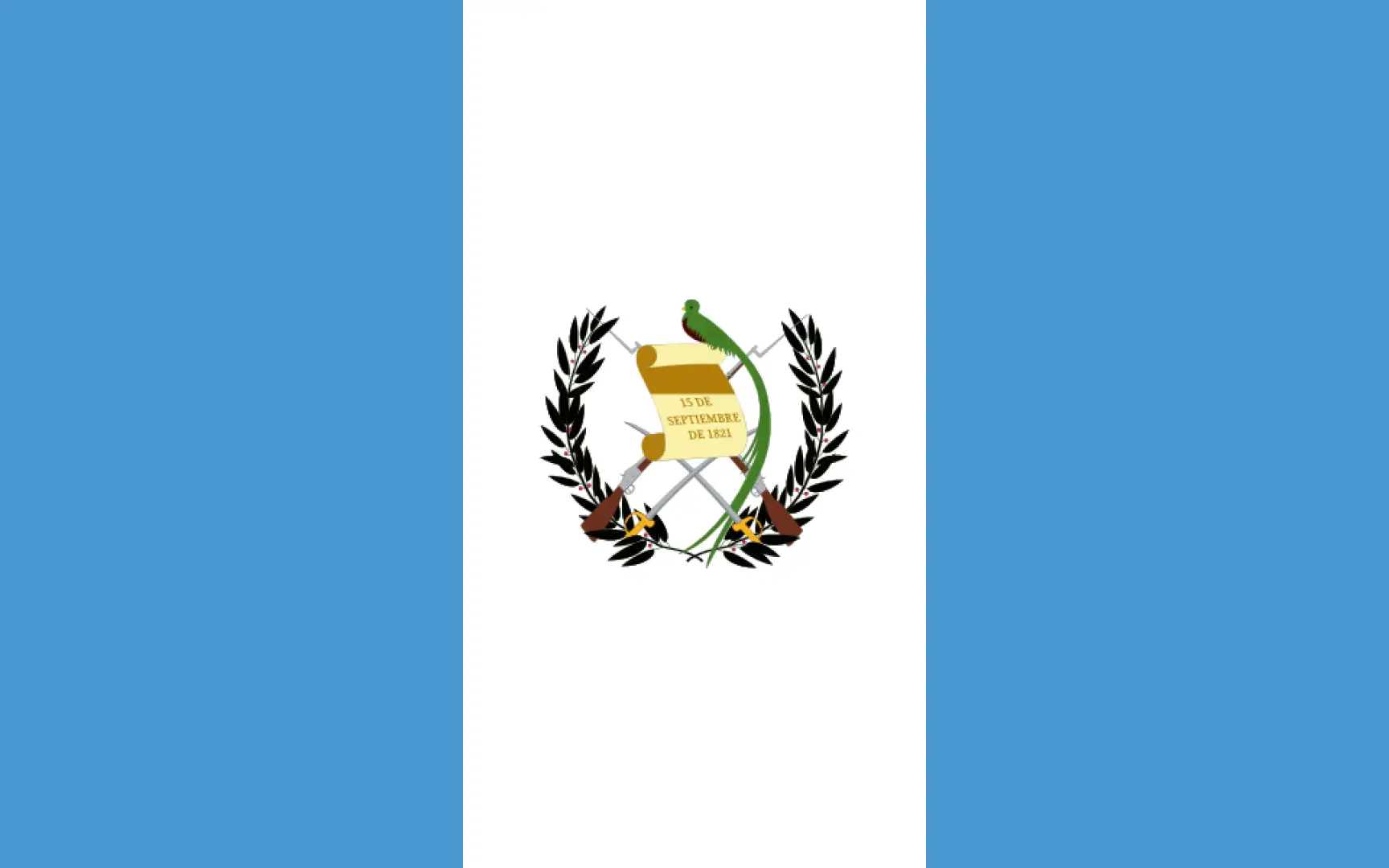

Edited by:
Massimo Martini
Access
Guatemala can be reached from Europe by air via the La Aurora International Airport in Guatemala City, the country's main airport and entry point for most international visitors. From Mexico it is accessible by land through several border crossings: the main one is Ciudad Hidalgo-Tecún Umán on the southern Mexican border, which can be travelled by bus or car along the Carretera Panamericana (Autopista del Sur). From Belize, the Benque Viejo del Carmen-Melchor de Mencos pass is the most used. The Guatemalan road system is structured around the Carretera Panamericana, which crosses the country from north-west to south-east, and a network of paved connector roads to the interior departments. The roads to the highland volcanoes, such as Tajumulco and Acatenango, generally start from Quetzaltenango or Antigua. Intercity public transport is mainly in minibuses (chicken buses, colourful repurposed American buses) and tourist shuttles. There is no functioning passenger rail network. Antigua Guatemala, the main logistical base for highland tourism, can be reached from Guatemala City in about one hour by car.
.Introduction
Guatemala occupies the northwestern part of the Central American isthmus, bordering Mexico to the north, Belize to the east and the republics of Honduras and El Salvador to the southeast. The territory is dominated by a mountain system of volcanic origin that constitutes the highest portion of all Central America: the Guatemalan Sierra Madre is home to 37 volcanoes, four of which are still active, including Fuego and Pacaya, and the highest peak of the isthmus, Tajumulco at 4,220m. The country faces both the Pacific Ocean to the west and the Caribbean Gulf of Honduras to the east, although with much more limited access to the Atlantic side. The legacy of the Mayan civilisation, still alive in the ethnic composition and culture of the K'iche', Kaqchikel, Mam and the country's other twenty-one indigenous ethnic groups, gives Guatemala a historical and cultural depth unparalleled in Central America.
Description
The morphology of Guatemala is divided into three major belts. The Petén lowland covers the north of the country with tropical forests extending towards the Mexican border and Belize: it is here that the Mayan city of Tikal rises, with its pyramids emerging from the arboreal canopy some 50m above the ground. The central plateau - the Altiplano - stretches between 1,500m and 2,600m above sea level and concentrates most of the population, with cities such as Quetzaltenango (Xela) at 2,330m and Antigua at 1,530m, the old colonial capital. The volcanic belt of the Sierra Madre runs parallel to the Pacific coast for about 380 km, bringing the relief to its highest level: Tajumulco (4,220m), a quiescent stratovolcano in the department of San Marcos near the Mexican border, is the highest peak in Central America; Tacaná (4.093m) shares the border with Mexico; Acatenango (3,976m), visible from Antigua, is a destination for climbs with bivouacs to observe the nearby active Fuego volcano; Lake Atitlán (1.562m, 125 km²), of volcanic origin, is one of the deepest lakes in Central America, surrounded by three volcanoes and traditional Mayan villages.
Guatemala was the cradle of one of the great pre-Columbian civilisations: the Maya built cities such as Tikal - inscribed on the UNESCO World Heritage List in 1979 - El Mirador, Quiriguá and Copán (the latter today in Honduras). At its peak, between the 3rd and 9th centuries AD, the Maya world reached advanced levels of astronomy, mathematics and hieroglyphic writing. The Spanish conquest, led by Pedro de Alvarado starting in 1524, put an end to the indigenous political structures and imposed the colonial model. Independence was proclaimed in 1821 as part of the Federal Republic of Central America and became effective with the dissolution of the federation in 1838. The 20th century in Guatemala was marked by decades of political instability, military coups and the long civil war (1960-1996), which claimed over 200,000 lives, mostly indigenous. The peace process of the 1996 Oslo Accords opened a still fragile democratic transition.
The economy is predominantly based on agriculture: Guatemala is the world's largest producer of cardamom and a major exporter of high-quality coffee, grown on the volcanic slopes between 1,200m and 2,000m, and sugar cane in the coastal plains. Maya textile handicrafts - textiles made using traditional techniques on belt looms - and regional ceramics are important components of the informal economy. Tourism is growing, with flows concentrated on Antigua, Lake Atitlán and the Petén archaeological sites. Guatemalan cuisine is based on corn - tortillas, tamales, chuchitos - and beef and chicken stew with tomato and chilli sauces; pepián, a pumpkin seed sauce with spices, is considered one of the national dishes.
Guatemala is home to a system of protected areas that includes the Tikal National Park (UNESCO, 1979), the Volcán de Agua National Park, the Volcán Pacaya National Park and the vast Maya Biosphere Reserve in Petén, the largest protected area in Central America, covering over 2 million hectares of tropical forest. The fauna includes the jaguar (Panthera onca), puma (Puma concolor), Baird's tapir (Tapirus bairdii) and the shining quetzal (Pharomachrus mocinno), the national symbol bird and Mayan deity, which inhabits the cloud forests between 1,500m and 3,000m. The Quetzal Biotope, in the Sierra de las Minas, is one of the main protection sites for the species.
The hiking focuses on the volcanic arc of the plateau. The ascent to Acatenango - with a bivouac at the refuge at 3,800m to watch the night-time eruptions of the Fuego - is the country's most popular high altitude experience, departing from La Soledad about three hours from Antigua. Tajumulco can be reached in six to eight hours from San Marcos; being the highest point on the isthmus, it requires acclimatisation to altitudes above 4,000m. Volcán de Agua (3,760m) offers shorter ascents with views of Antigua and the Pacific on clear days. In the Petén parks, multi-day trails connect archaeological sites in the Petén forest, with 3-5 day treks to El Mirador from the village of Carmelita. Lake Atitlán is surrounded by a scenic trail connecting Mayan villages with stretches of coastline and hill climbs between landings.
Guatemalan mountaineering is firmly linked to the volcanic chain. The Tajumulco, while not presenting excessive technical difficulties, requires equipment appropriate for the sub-zero temperatures recorded at the summit. The Acatenango offers more challenging routes with ridge variations. San Pedro (3,020m) and Tolimán (3,158m) on the shores of Lake Atitlán are ascents over volcanoes with dense forest up to an altitude of 2,500m. The lava walls and unstable terrain of active volcanoes require the accompaniment of local guides certified by INGUAT (Guatemalan Institute of Tourism). There are no structured European mountaineering traditions in Guatemalan history; ascents were mainly by explorers and naturalists during the 19th and 20th centuries.
Trail running in Guatemala is developing around the volcanic routes and highland landscapes. The Guatemala Mountain Ultra is a race over distances of 20 to 100 km that crosses the villages of the Sierra Madre plateau between 1,500m and 3,600m above sea level. The Volcán Atitlán Trail traverses trails around the volcanoes of the lake, combining forest sections and water views. The running ascent of Acatenango, practised by local groups of trail runners, covers around 20 km with more than 2,000m of positive altitude difference.
Information
General Data
Capital: Guatemala City
Area: 108.889 km²
Minimum elevation: 0m (Pacific coast and Gulf of Honduras)
Maximum elevation: 4,220m - Tajumulco
Number of inhabitants: 16.604,000 (2020 estimates)
Official name: República de Guatemala
Name of inhabitants: Guatemalans
Bordering countries: Mexico - Belize - Honduras - El Salvador
Institutional website: https://www.guatemala.gob.gt