Iceland
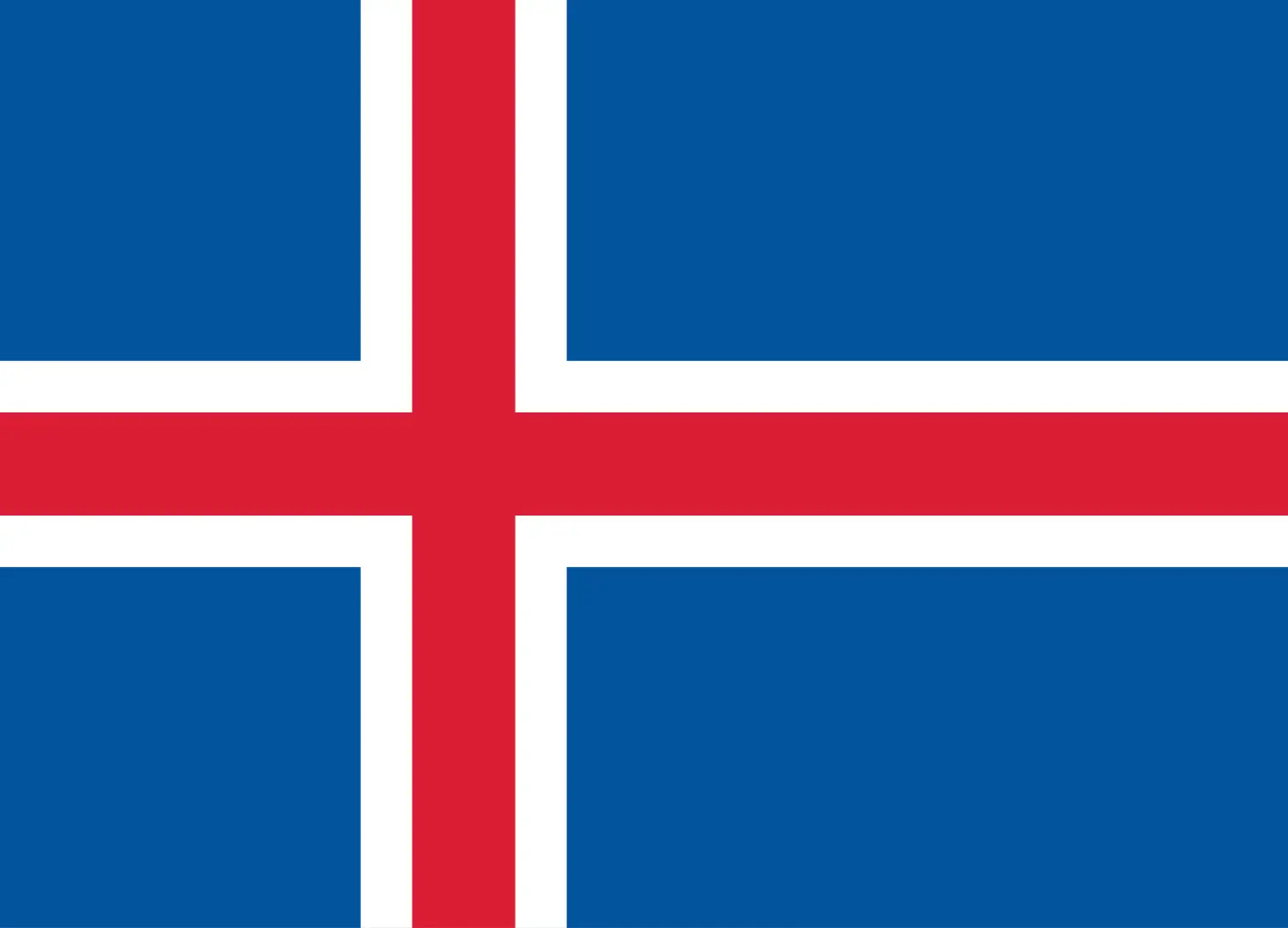

Edited by:
Massimo Martini
Access
Iceland can only be reached from Italy by air, due to its insular nature in the North Atlantic. Keflavík International Airport (KEF), 50 km south-west of Reykjavík, is the main airport with direct flights from Milan, Rome and other Italian cities; the national airline Icelandair and major European carriers serve the route. Reykjavík City Airport (RKV) serves only domestic flights and flights to the Faroe Islands. There are no regular ferries from mainland Europe to Iceland; the Faroese ship Norröna connects Denmark-Faroe-Iceland with crossings of several days. The Icelandic road system consists of the Ring Road (Hringvegur, national road 1), which circumnavigates the island for approximately 1,340 km; numerous side roads (F-roads, which can only be travelled by 4×4 vehicles) provide access to the interior. In summer, the Ring Road is passable by any vehicle; in winter, some sections are closed due to snow. Car hire is the most popular way to explore the island; the Strætó public bus and Reykjavík Excursions tour buses cover the main destinations. Access to glaciers and volcanic areas in the interior requires certified guides and specific vehicles.
Introduction
Iceland is an island state in the North Atlantic, located on the mid-Atlantic ridge straddling the conventional borders between Europe and North America; geographically and politically it is considered part of Europe and a member of the Nordic Council, the EEA (European Economic Area) and NATO. The surface area is 103,000 km²; the population in 2025 was 397,576, making it one of the least populated countries in Europe with a density of around 3.7 inhabitants/km². The capital is Reykjavík, which concentrates about 36% of the national population. Iceland is the largest emerged part of the mid-Atlantic ridge and represents the visible terrestrial expression of oceanic volcanism: it is built entirely on volcanic rocks, predominantly basaltic, still in formation. The country is known for its intense volcanic and geothermal activity - with more than 200 volcanoes, 30 of which are active - glaciers (covering about 10 per cent of the surface, including Vatnajökull, Europe's largest by volume at 8,500 km²), geysers, spectacular waterfalls and the lunar landscape of the interior plateau. The highest peak is Hvannadalshnjúkur (2,119 m), on the rim of the Öræfajökull caldera, an emanation of Vatnajökull. Iceland was inhabited by Norwegian Vikings from 874 A.D. and is the oldest parliamentary democracy in the world with the Althing (930 A.D.).
.Description
The Icelandic territory is shaped by geological forces that are still active: Iceland lies on the junction between the North American and Eurasian plates, which are moving apart at a rate of about 2 cm per year. This tectonics produces a central rift zone with intense basaltic eruptions, lava fields (hraun) and geothermal springs. The landscape of the island is divided between the jagged coastline of fjords in the northwest (West Fjords) and northeast, the alluvial plains of the south, the deserted interior plateau and the ice fields. Vatnajökull (7,700 km², average thickness 380 m) hides several active volcanoes under its cap, including Grímsvötn, Öræfajökull and Bárðarbunga; its subglacial eruptions cause jökulhlaup, instantaneous catastrophic floods. Langjökull and Hofsjökull are the other main glaciers. The Geysir geysers - the term comes from this spring - are among the most famous in the world; the Strokkur erupts every 4-8 minutes. The Gullfoss Falls, Þingvellir Gorge (home of the Althing and the Atlantic rift visible on land) and Seljalandsfoss (which can be visited below the waterfall) are icons of the Icelandic landscape.
The history of Iceland begins with the Norse colonisation in 874 AD by Ingólfr Arnarson. Tradition has it that Irish monks (Papas) were already there. Icelandic Viking society organised itself without a king or central government: in 930 A.D. the Alþingi (Parliament) was established, an annual meeting of the chiefs of the different clans, which is the oldest still functioning parliament in the world. The conversion to Christianity took place in 1000 AD in a diplomatic manner (without war). Norwegian (1262) and then Danish (1380-1944) rule characterised Icelandic history for seven centuries. The Black Death epidemic (14th century) and the catastrophic eruptions of the Laki (1783-1784) - which killed 25 per cent of the population with the resulting famines - seriously marked the demographic history. The Republic of Iceland was proclaimed on 17 June 1944, during the British and American occupation of the island (1940-1944). The 20th century economy was dominated by fishing ("cod war" with the UK in 1958-1976). The 2008 financial crisis led to the collapse of the Icelandic banking system and one of the most serious economic crises in a developed country in recent history. Iceland reacted by refusing to bail out the banks with public funds, prosecuting the bankers responsible and restructuring the economy towards tourism, renewable energy and fishing. The eruption of Eyjafjallajökull in 2010 grounded European air traffic for weeks.
The Icelandic economy is based on three pillars: fishing and the fishing industry (bacalà, herring, capelin - among the world's most efficient navies), tourism (which has experienced explosive growth since 2010 with over 2 million visitors/year, a fifth of which are Italian) and renewable energy (Iceland produces 100% of its electricity from renewable sources - hydroelectric 70% and geothermal 30% - and heats 90% of its buildings with geothermal heat). Vatnajökull National Park (12,000 km², the largest in Europe) and Þingvellir National Park (UNESCO heritage site) are the main protected areas. Icelandic fauna includes the arctic fox (Vulpes lagopus) as the only native land mammal; humpback whale, orca, sperm whale, dolphin and grey seal frequent the coasts. The puffin (puffin, Fratercula arctica) is the most emblematic bird species; Iceland is home to the largest breeding colony in the world.
Hiking in Iceland is one of the most developed outdoor activities, with a network of trails managed by the national parks and the Ferðafélag Íslands (Icelandic Touring Club). The Laugavegur Trail (55 km, 4 days) from Landmannalaugar to Þórsmörk - with colourful fields of rhyolite, glaciers and sulphur - is among the most spectacular and popular treks in the world. The Fimmvörðuháls Trail (25 km) connects Þórsmörk with Skógar, crossing the pass above the Eyjafjallajökull glaciers. The Kalaloogur Trail in the West Fjords and the trails around Vatnajökull (glacier walk, ice climbing) are unique experiences. Winter hiking on the Ring Road - with northern lights - is a fast-growing activity. Trails must be booked in summer to limit overcrowding.
Mountaineering in Iceland focuses on glacial peaks. Hvannadalshnjúkur (2,119 m), the highest point in the country, can be reached from Skaftafell in Vatnajökull by a glacier ascent that requires ice equipment and a certified guide (10-14 hours round trip). The Öræfajökull and Snæfellsjökull (1,446 m) - immortalised by Jules Verne as the entrance to "Journey to the Centre of the Earth" - are the other mountaineering destinations of note. Ice climbing at frozen waterfalls (Hengifoss, Skógafoss) is practised in winter.
Trail running in Iceland is growing strongly, driven by international interest in the landscape. The Laugavegur Ultra Marathon (55 km, following the Laugavegur Trail in reverse) is the national and international benchmark race, held every July. The Rift Ultra (50 km around Þingvellir), the Arctic Trail and the Snæfellsnes Trail complete the calendar. The extreme weather conditions and terrain on lava, ice and volcanic ash make Icelandic trail running a technical and adventurous experience.
.Information
General Data
Capital: Reykjavík
Area: 103.000 km²
Minimum elevation: 0m (Atlantic coast)
Maximum elevation: 2,119m - Hvannadalshnjúkur (Öræfajökull / Vatnajökull)
Number of inhabitants: 397.576 (2025)
Official name: Lýðveldið Ísland
Name of inhabitants: Icelanders
Regions: 8
Border countries: none (island state)
Institutional site: https://www.government.is