Norway
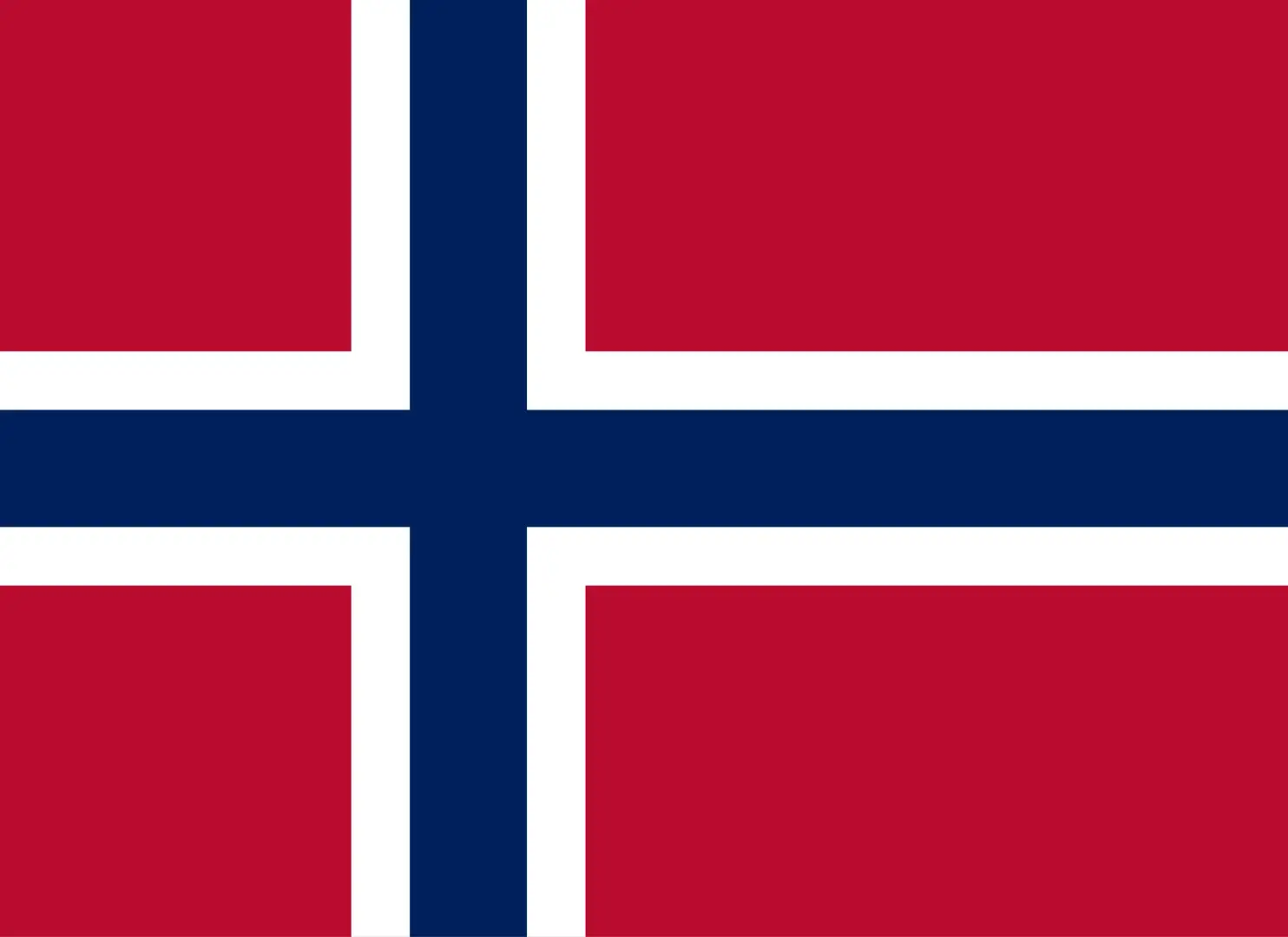

Edited by:
Massimo Martini
Access
Norway can be reached from Italy mainly by air: Oslo-Gardermoen International Airport (OSL) is the main hub, with direct flights from Rome, Milan and other Italian cities; secondary airports are Bergen (BGO), Trondheim (TRD), Stavanger (SVG) and Tromsø (TOS). The overland route from Italy runs through Germany, Denmark and then Sweden or, via the Øresund bridge, Denmark to the Swedish-Norwegian border. Ferries connect Denmark with Oslo (DFDS from Copenhagen, 17-18 hours) and German ports (Kiel) with Oslo via Color Line (20 hours). The Norwegian road network is developed but runs through predominantly mountain and fjord territory: many state roads require the use of ferries to cross the fjords, with queues in peak seasons. In winter some mountain roads (Sognefjellsvegen, Gamle Strynefjellsvegen) are closed; winter conditions require mandatory winter tyres. The NSB/Vy railway network connects the major cities: the Bergen Line (Bergensbanen, 491 km, one of the most beautiful scenic railway routes in the world) and the Flåmsbana (steepest railway in Europe) are unique experiences. The access roads to the national parks - Jotunheimen, Rondane, Dovrefjell - pass through state roads that are open in summer (Bjørndalsleiret, Spiterstulen, Gjendesheim). Norway charges tolls on numerous motorways and express roads (AutoPass).
Introduction
Norway is a parliamentary monarchy in northern Europe, a founding member of NATO (1949) and the European Economic Area (EEA), but not of the European Union (two referendums - 1972 and 1994 - rejected membership). With a surface area of 323,781 km² (excluding Svalbard and Jan Mayen), it is the seventh largest country in Europe; including the Arctic territories it reaches 385,207 km². The population is about 5.55 million (2024), distributed mainly along the coasts and in the valleys. Norway is famous for its fjords - glacial valleys submerged by the sea - that cut the west coast for thousands of kilometres: the Sognefjord (203 km, 1,308 m deep) is the longest in Europe. The mountain arc of the Scandinavian Alps runs through the country from north to south with altitudes of over 2,000 m. The highest peak is Galdhøpiggen (2,469 m) in Jotunheimen National Park, the highest mountain in Scandinavia. The economy is based on the North Sea oil reserves (discovered in 1969), which are managed through the Government Pension Fund Global - the world's largest sovereign wealth fund with more than USD 1,700 billion - which generates revenue for future generations. Norway has one of the highest Human Development Indexes in the world (2nd place in 2024 after Iceland).
.Description
Norwegian morphology is dominated by the mountain plateau of the Scandinavian Alps (Scandinaviske Fjell), which forms the backbone of the country. The Jotunheimen ("abode of the giants") is the highest massif, with 60 peaks above 2,000 m and the two "Roofs of Scandinavia": the Galdhøpiggen (2,469 m) and the Glittertind (2,464 m with glacial summit). The Dovrefjell and Rondane - subarctic highlands - separate the Jotunheimen from central Norway. To the north, the Lyngsalpene in the Troms and the peaks of the Lofoten Islands (with sharp ridges rising directly out of the sea) offer alpine scenery of extraordinary beauty. Glaciers cover some 2,600 km²; Jostedalsbreen (in Vestlandet) is the largest glacier in continental Europe. The main fjords - Sognefjord, Hardangerfjord, Lysefjord (with Preikestolen), Geirangerfjord (UNESCO) and Nærøyfjord (UNESCO) - are icons of the Nordic landscape. The Glomma River (612 km) is the longest in Norway.
Norwegian history is marked by the Viking Age (8th-11th century), a period of Scandinavian expansion that led the Norwegians to colonise Iceland, Greenland, the Faroe Islands and to reach North America (Vinland, around 1000 AD, with Leif Eriksson). The medieval Norwegian kingdom reached its apogee in the 13th century with Haakon IV, who reunified the country. The Kalmar Union (1397-1523) united Norway, Denmark and Sweden; at its dissolution Norway remained united with Denmark for almost four centuries (1537-1814). The Treaty of Kiel (1814) ceded Norway to Sweden; in the same year Norway adopted one of the most liberal constitutions in Europe (still in force with amendments) and resisted union with Sweden, maintaining its own parliament (Storting). In 1905, in an almost unanimous referendum, Norway peacefully dissolved the union with Sweden and proclaimed its independence. During the Second World War, Norway was occupied by Germany from 1940 to 1945; the Norwegian Resistance (Milorg) and sabotage movements - including the famous heavy water sabotage in Vemork (1943, instrumental in thwarting the Nazi atomic programme) - are among the most heroic pages in the history of the conflict.
The Norwegian economy is among the most developed in the world. North Sea oil and natural gas - extracted since 1971 - generate revenue that is systematically invested in the Government Pension Fund (GPF), an asset of all Norwegian citizens. The energy sector also includes fishing (Norway is the world's second largest exporter of fish products after China), Atlantic salmon aquaculture (the world's largest exporter), shipping and the shipbuilding industry. Renewable energies - almost 90 per cent of electricity production comes from hydroelectric sources - make Norway one of the world's "greenest" countries in terms of energy mix. Traditional Norwegian gastronomy includes lutefisk (lye-treated cod), skrei (winter arctic cod), raspeballer (potato dumplings), brunost (caramelised brown cheese), gravlax (marinated salmon with dill) and berries (blueberries, cloudberries/multeberries) from the Alpine tundras.
The protected area system comprises 47 national parks (updated 2024), which are open to the public free of charge all year round. The main ones for the alpine outdoors are Jotunheimen National Park (the highest in Norway, with Besseggen and Galdhøpiggen), Rondane National Park (the oldest, 1962, with wild reindeer), Dovrefjell-Sunndalsfjella National Park (musk ox habitat), Hardangervidda National Park (the largest in continentalcontinental Europe by plateau, with typical alpine fauna) and Lyngsalpene National Park in Troms. The Norwegian fauna includes the'brown bear (Ursus arctos), the wolf (Canis lupus), the lynx (Lynx lynx), the wolverine (Gulo gulo) the wild reindeer (Rangifer tarandus), the musk ox (Ovibos moschatus) reintroduced to Dovrefjell, and over 400 bird species including thesea eagle (Haliaeetus albicilla) - with the largest population in Europe - and the peregrine falcon (Falco peregrinus). The right of free access to nature (allemannsretten) grants anyone the right to walk on any uncultivated land, whether public or private.
Norwegian hiking is a deep cultural practice: about half of the inhabitants own a hytte (mountain hut), and DNT (Den Norske Turistforening, Norwegian Trekking Association) runs more than 550 huts and cabins along 20,000 km of marked trails. The most iconic hikes are the Besseggen (ridge between two differently coloured lakes in Jotunheimen), Preikestolen (the "Pulpit Rock" overhanging Lysefjord, 604 m), Trolltunga (tongue of rock overlooking Lake Ringedalsvatnet, altitude 1,100 m), Kjeragbolten (boulder wedged between two walls in Lysefjord, only accessible by challenging hike). The Norwegian Kungsleden (Trail of Kings) and the Hardangervidda circuits are multi-day trekking routes of European reference.
Norway's mountaineering history is mainly linked to the first ascents of the Romsdalen pillars and ridges. The summit of Trollveggen - the highest vertical wall in Europe (1,800 m difference in height, maximum verticality on the fjord) - was climbed for the first time in 1967 by two teams (one Norwegian, one British) on the same day. The pioneers of ice climbing and the great summer routes on the walls of Norway helped develop techniques later used in international mountaineering. Galdhøpiggen (2,469 m) can be reached by a mountaineering traverse from Juvasshytta on the Styggebreen glacier (E/EE in summer without equipment, or F/PD with ice equipment in winter conditions). The Lofoten Islands - with their granite rock ridges rising directly from the sea up to 1,161 m (Higravtinden) - are one of the most impressive destinations for Nordic mountaineering.
Norwegian trail running is on the rise, with internationally renowned events such as the Lofoten Ultra-Trail (100 km starting and finishing in the magic of Lofoten), the Tromsø Skyrace and the Norseman Xtreme Triathlon (which includes a run to the summit of Gaustatoppen, 1,883 m, at the end of an Ironman distance triathlon). The Birkebeinerrennet - a historic 54 km cross-country ski race - is the cultural benchmark of winter endurance sports.
Information
General Data
Capital: Oslo
Area: 323,781 km² (metropolitan territory) / 385.207 km² (including Svalbard and Jan Mayen)
Minimum elevation: -1m (coastal areas)
Maximum elevation: 2,469m - Galdhøpiggen (Jotunheimen)
Number of inhabitants: 5,550.203 (2024, given by Wikipedia IT)
Official name: Kongeriket Norge / Kongeriket Noreg
Name of inhabitants: Norwegians
Countries: 15 (fylker)
Border countries: Finland - Russia - Sweden
Institutional website: https://www.regjeringen.no