Apuan Alps Park

Edited by:
Massimo Martini
Introduction
Established in 1985 by the Region of Tuscany with the aim of improving the living conditions of local communities and protecting the natural, landscape and environmental values for a balanced relationship between economic development and nature conservation, the Park covers an area of 205 square kilometres, making it the largest protected area in the Region. An area that embraces the Apuan Alps massif, from which it inherits its name, and stretches across the provinces of Lucca and Massa Carrara, touching the territory of 16 municipalities, from Alta Versilia to Garfagnana, from Lunigiana to the Apuan area.Description
Instituted in 1985 by the Region of Tuscany with the aim of improving the living conditions of local communities and protecting the natural, landscape and environmental values for a balanced relationship between economic development and nature conservation, the Park covers an area of 205 square kilometres, making it the largest protected area in the Region. An area that embraces the Apuan Alps massif, from which it inherits its name, and straddles the provinces of Lucca and Massa Carrara, touching the territory of 16 municipalities, from Alta Versilia to Garfagnana, from Lunigiana to the Apuan area.
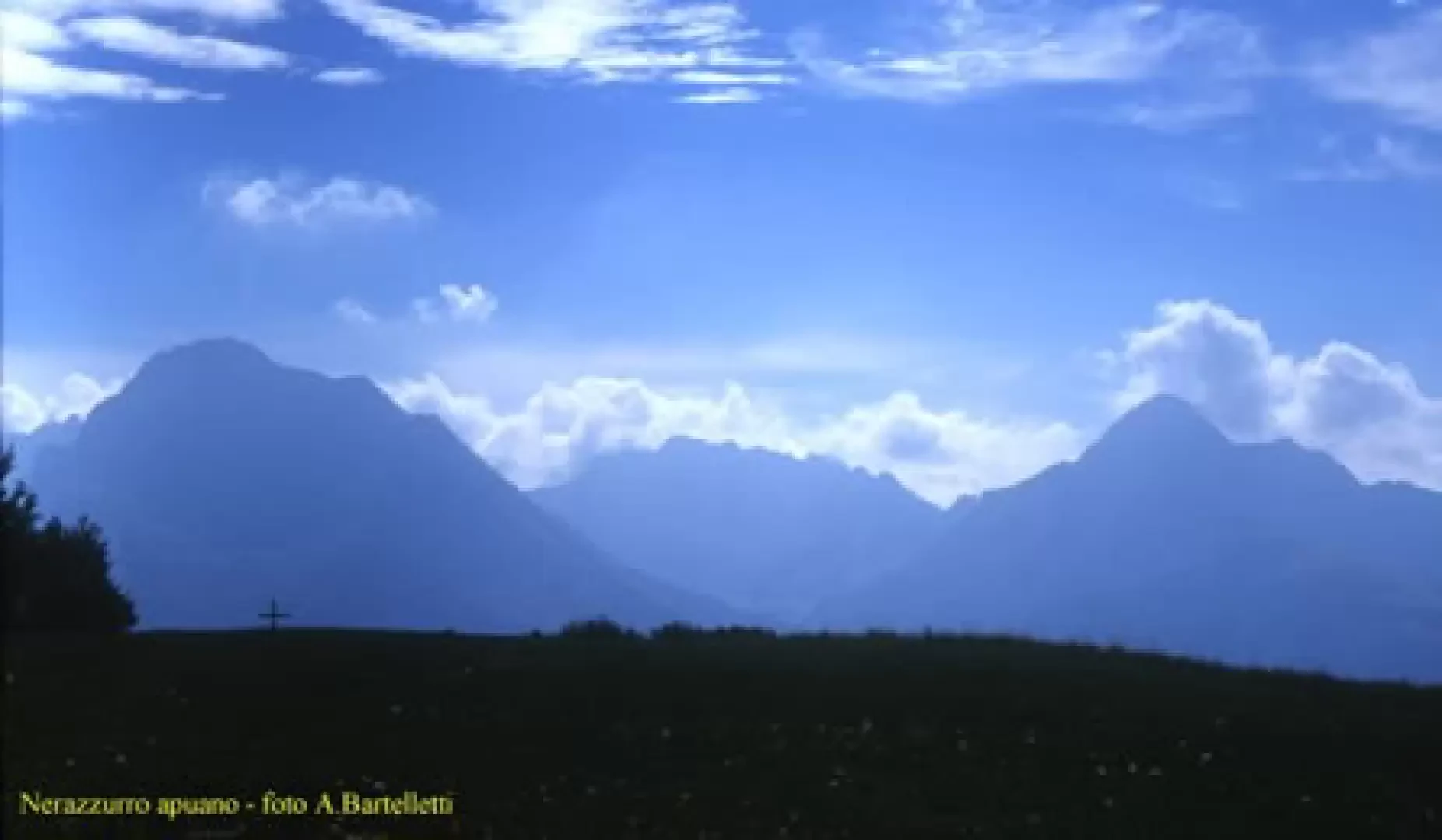
A tourist area of great interest not only for the presence of the quarries and other important testimonies of the mining industry, this extraordinary alpine landscape overlooking the sea encloses an incredible variety of plants, famous for the orchids that stand out on the grassy expanses of the high-altitude ridges. The fauna that populates its territory is also varied: among the herbivores, mouflons and wild goats stand out, and among the other species, specimens of golden eagle and the famous chough, symbol of the Apuan Park (this is without considering the presence of animals of particular naturalistic value such as the spectacled salamander and the Apuan newt). Flora and fauna of considerable interest, therefore, but also paths overlooking breathtaking scenery, glacial cirques, ancient alpine pastures, high peaks and deep cavities: imposing spires rising majestically towards the sky, corresponding to secret abysses and caves, an inextricable network of karst conduits in the bowels of the earth.
Truly difficult to remain insensitive to the charm of these peaks with their profiles finely chiselled by the wind, bastions clearly recognisable from one another, each with its own name, a precise evocation of magical suggestions that are echoed in ancient legends populated by devils, witches, saints and pilgrims.
Related topics
- Geology and Geomorphology in the Regional Park of the Apuan Alps
- Flora, fauna and environment in the Regional Park of the Apuan Alps
- Antro del Corchia
- Legends of the Regional Park of the Apuan Alps
Information
Information on accommodation facilities and guided tours in the Park territory at the "Documentation and Visitor Reception Centres" of the Regional Park of the Apuan Alps:
- Castelnuovo Garfagnana (Lucca), tel/fax 0583 644242
- Forno di Massa (Massa-Carrara), tel/fax 0585 315300
"Tourist Information Office" Seravezza (Lucca), tel/fax 0584 756144 (summer opening)
.Information
Year founded: 1985
Area: 205.9 square kilometres
Maximum elevation: Pania della Croce (1858m)
Municipalities concerned: Minucciano, Camporgiano, Vagli Sotto, Careggine, Castelnuovo di Garfagnana, Molazzana, Vergemoli, Gallicano, Fabbriche di Vallico, Pescaglia
Institutional site: www.parcapuane.toscana.it
Contact: